
DIR Floortime Therapy in Irvine, CA
Occupational therapy that follows your child's lead and builds connection, communication, and regulation through play.
DIR Floortime is an approach our occupational therapists use inside occupational therapy sessions. It is led mainly by Dr. Phoebe, and every plan is built around your child rather than a template.
What DIR Floortime is
DIR is a way of understanding how children grow. Floortime is how that understanding gets used: an adult gets down on the floor, joins what the child is already doing, and builds from there.
Instead of starting with a list of skills to teach, we start with your child. What do they love? What helps them feel calm? How do they take in sound, touch, and movement? When a child feels safe, understood, and interested, connection comes more easily. Connection is where communication, problem solving, and flexible thinking grow.
At Tumble N' Dots, DIR Floortime is not a separate program. It is an approach our occupational therapists use within occupational therapy sessions, alongside your child's other goals. For a closer look at the model itself, read our parent's guide, What Is DIR?
What the letters stand for
DIR is short for Developmental, Individual differences, and Relationship-based. Each letter points to something we pay close attention to.
Developmental
Where your child is right now, not where a chart says they should be. We look at how they stay calm and attentive, engage with people, communicate back and forth, and solve problems with others. Then we meet them there.
Individual differences
Every child takes in the world in their own way. Sound, touch, movement, and language land differently for each nervous system. Knowing your child's profile tells us how to set up play so it feels good and works for them.
Relationship-based
Children learn most from people they feel connected to. Warm, playful relationships with parents, therapists, and peers carry development forward, so the relationship is at the center of every session.
Signs a DIR Floortime approach may be a good fit
Any child can benefit from play that follows their lead. Families often ask us about this approach when they notice some of the things below. If your child repeats lines from shows or songs, our page on gestalt language processing may also be helpful.
Connecting
- Prefers to play alone, and it is hard to join in
- Shared moments are short before your child moves on
- Rarely brings you things to show or share
- Is deeply absorbed in favorite activities and hard to reach in those moments
- Play with other children is hard to get started
Communicating
- Uses few gestures, sounds, or words to tell you what they want
- Back and forth exchanges stop after one or two turns
- Leads you by the hand rather than pointing or asking
- Gets frustrated when they are not understood
- Has a lot to say about favorite topics and less about anything else
Staying regulated
- Big feelings arrive fast and take a long time to settle
- Transitions and changes in routine are hard
- Play follows the same script, and changes to it are upsetting
- Busy, noisy places are overwhelming
- Waiting and taking turns are hard
What a session looks like
Fifty minutes of play with a purpose, led by your child.
- It starts with getting to know your child. We learn how your child takes in the world, what they love, and where they are developmentally, and we build the plan from that.
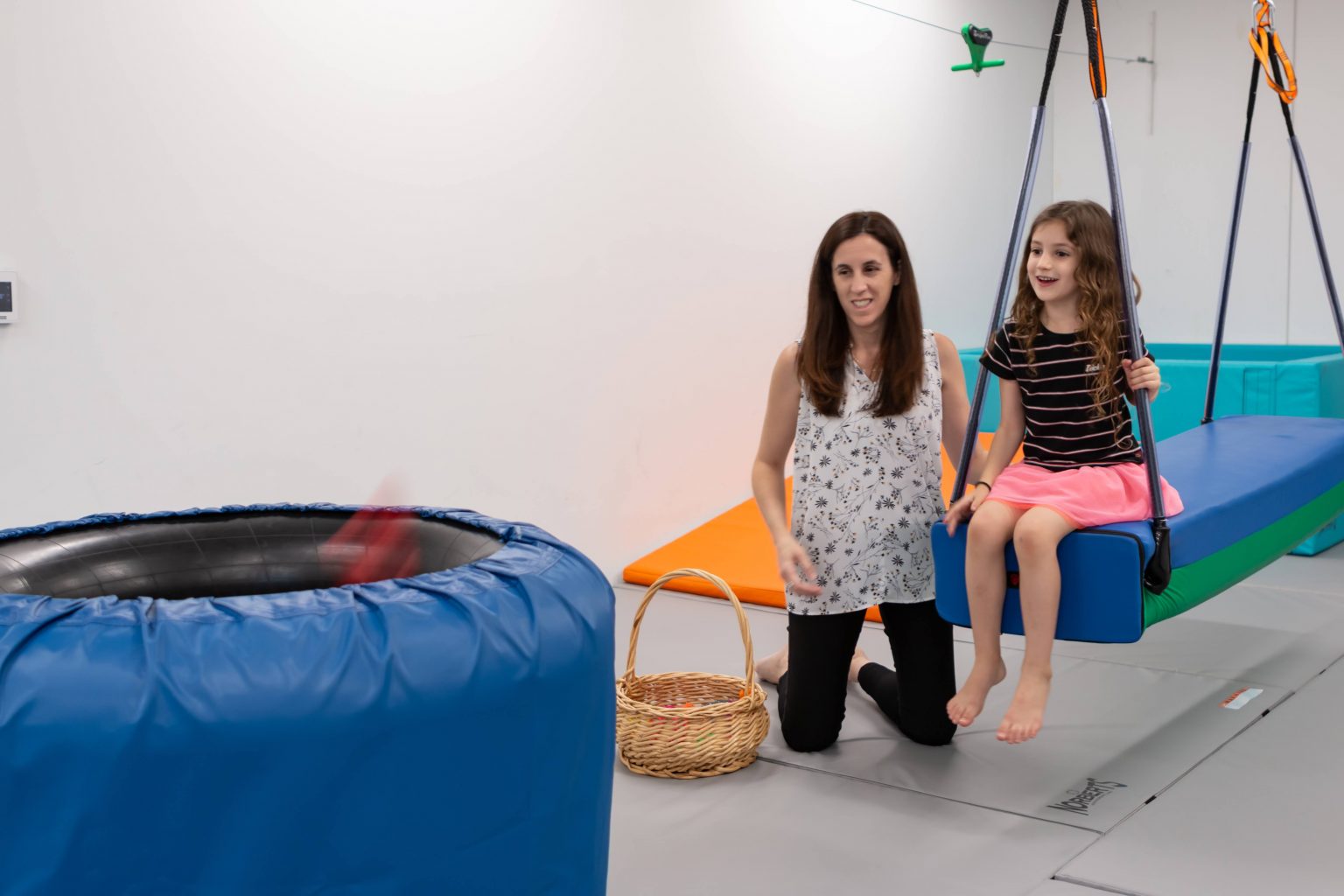
- Your child leads. If your child wants to line up cars, spin wheels, or climb, that is where we begin. Their interests are the way in, not something to get past.
- The therapist joins, then stretches the play. Once we are part of the play, we add small, playful challenges that invite one more turn, one more idea, or one more step of problem solving.
- Regulation comes first. We adjust the pace, the sound, and the movement in the room so your child feels calm and ready to connect. The swings, crash pads, and climbing wall in our sensory gym are part of that.
- You are part of it. We share an update after each session, check in with you regularly, and coach you on simple ways to use the same ideas at home.
- Neurodiversity-affirming. The goal is not compliance or performing skills on cue. It is a child who feels understood, connects with the people they love, and shares their own ideas.
Who your child would work with
DIR Floortime at Tumble N' Dots is led mainly by Dr. Phoebe, a pediatric occupational therapist with a doctorate in occupational therapy from USC. She has worked with children since 2012 and used DIRFloortime as a Developmental Specialist before becoming an occupational therapist.
Our founder and clinical director is DIRFloortime trained, and all of our occupational therapists are trained in sensory integration.
Floortime at home
The ideas behind Floortime matter most in everyday life. You do not need special equipment or training to begin. A few minutes of playful, focused attention is a good place to start.
Get down to their level
Sit on the floor, at the table, or wherever your child is playing, so you are face to face.
Follow their interest
Join what your child is already doing, even if it is not how the toy is meant to be used.
Join first, then add one small thing
Copy their play, add a playful twist, and wait to see what they do with it.
Watch their energy
If your child seems overwhelmed, slow down and soften your voice. If they seem low, bring a little more movement and animation.
Enjoy each other
Shared joy is the point. You are not running a lesson.
How DIR Floortime fits with our other services
DIR Floortime is one part of what we do, and our team collaborates together under one roof. See all pediatric therapy services for the full picture.
Pediatric occupational therapy
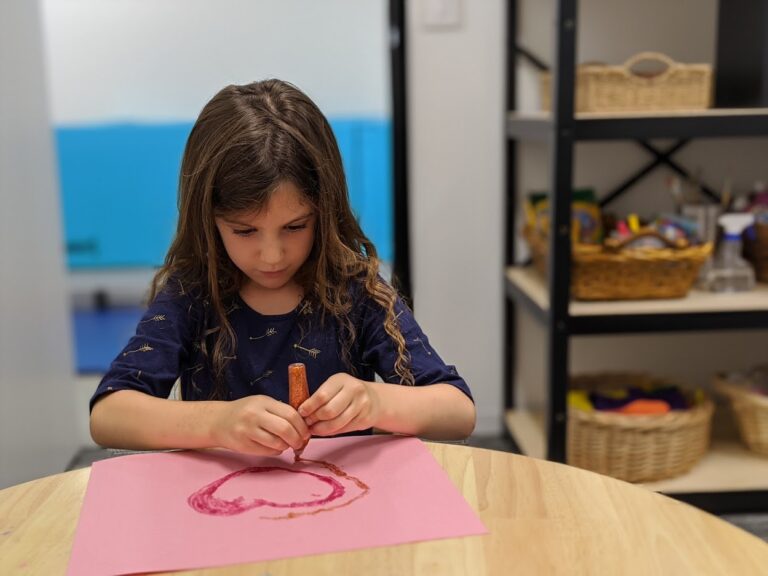
DIR Floortime sits inside occupational therapy. Fine motor skills, self-care, attention, and regulation goals are worked on in the same sessions.
Occupational therapy in Irvine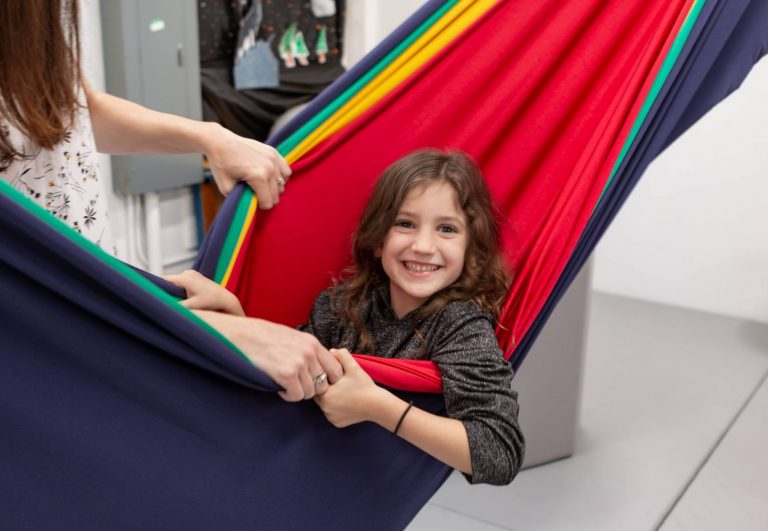
Sensory integration therapy
The I in DIR is about how your child's nervous system takes in touch, movement, and sound. All of our occupational therapists are trained in sensory integration, and the two approaches work together.
Sensory integration therapy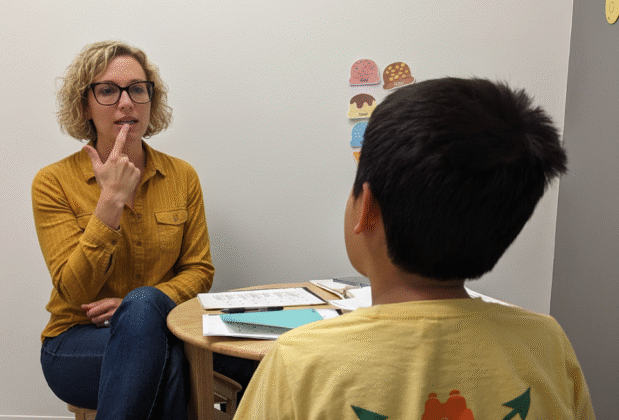
Speech and language therapy
Back and forth play is where communication begins. When speech and language goals are part of the picture, our speech-language pathologists and occupational therapists collaborate together.
Speech therapy in Irvine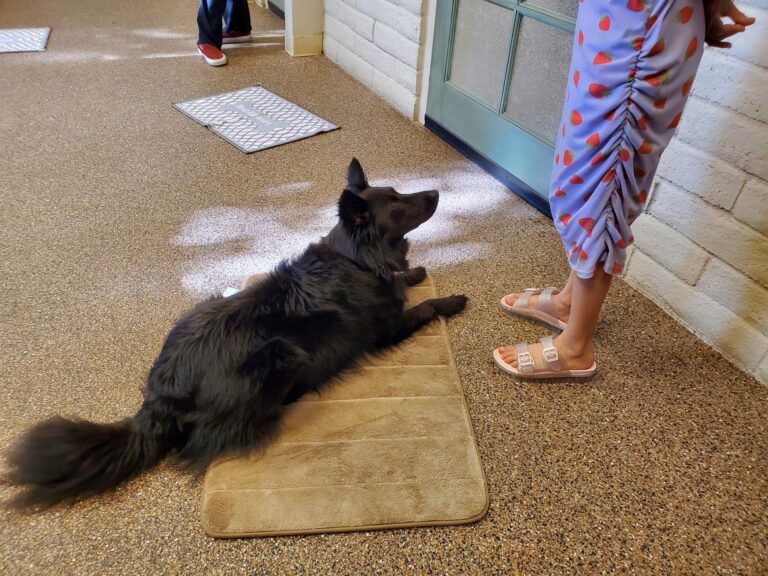
Animal assisted therapy
Summer, our canine co-therapist, joins occupational therapy sessions with Dr. Phoebe to support regulation, motor skills, and social confidence.
Animal assisted therapyChildren we work with
We see children from birth through age 12. A diagnosis is not required to start, and neither is a referral.
Paying for DIR Floortime
We are an out-of-network provider and are not contracted with any insurance plan, which means we do not bill your insurance directly.
- DIR Floortime is delivered as occupational therapy, which is generally an eligible FSA and HSA expense. It is not booked as a separate service.
- You receive a detailed superbill twice a month, on the 1st and the 15th, with every code your insurance needs to consider reimbursement.
- Superbills are always available in your parent portal, so you are never waiting on us for a copy.
- Many of our families do receive reimbursement. Rates vary by plan, and insurers pay families directly.
DIR Floortime questions parents ask
Is DIR Floortime the same as occupational therapy?
Can I book DIR Floortime on its own?
What do DIR and Floortime mean?
How is this different from regular play?
Is DIR Floortime only for autistic children?
How do parents take part?
How often will my child come, and how long is a session?
Does my child need a diagnosis first?
Do you take insurance?
What ages do you work with?
DIR®, Floortime®, and DIRFloortime® are registered trademarks of ICDL in the United States and/or other countries.
Come see where the play happens
Book a tour with our clinical staff, see the space, and tell us about your child.